
Homeowner guide · Florida
What most Florida homeowners get wrong about solar power
Short answer
Most grid-tied solar systems do not keep working during a power outage. They shut down automatically when the grid fails, to protect the utility crews repairing the lines. To keep power on during a blackout, you need a home battery such as Tesla Powerwall, properly installed and configured for backup.
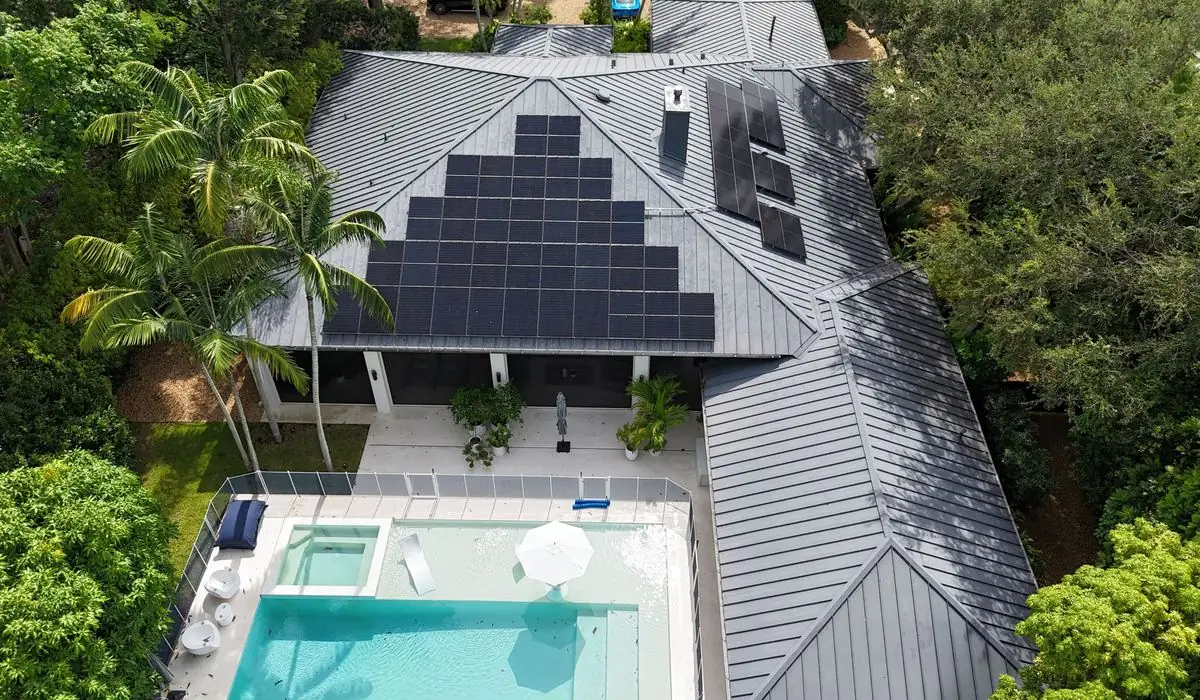
Solar panels are powerful. But there is something they don't automatically do. Florida homeowners know how quickly the weather can change, and many overlook one detail: having solar panels doesn't necessarily mean having backup power.
Do solar panels work during a power outage?
Solar panels generate electricity. They don't store it. On most Florida homes, the panels feed an inverter that turns their direct current into the alternating current your home uses, and that inverter is connected to the utility grid. When the inverter senses that the grid is down, it stops producing power within moments.
That is a safety feature, not a defect. Line workers repairing storm damage need to know that no home is pushing electricity back into the wires they are working on. Every grid-tied system in Florida is connected under an interconnection agreement with the local utility, and the equipment has to meet those safety rules. FPL's net metering guidelines describe the process for its customers.
So even on a bright, sunny afternoon after a storm, a solar-only system will usually sit idle while the grid is down. Many homeowners only find out during their first outage.
Why does backup power matter so much in Florida?
Hurricane season runs from June through November, and summer thunderstorms knock out power often. Most outages last a few hours. After a major storm, some neighborhoods wait days. In Florida heat and humidity, refrigeration, fans, Wi-Fi, a well pump or medical equipment are not conveniences.
Ready.gov recommends planning ahead for outages: know what you need to keep running, have a backup power plan for medical devices, and keep refrigerators and freezers closed. It also warns that generators must only run outdoors and away from windows because of carbon monoxide. A home battery is silent, needs no fuel and can recharge from your own panels.
What does Tesla Powerwall add?
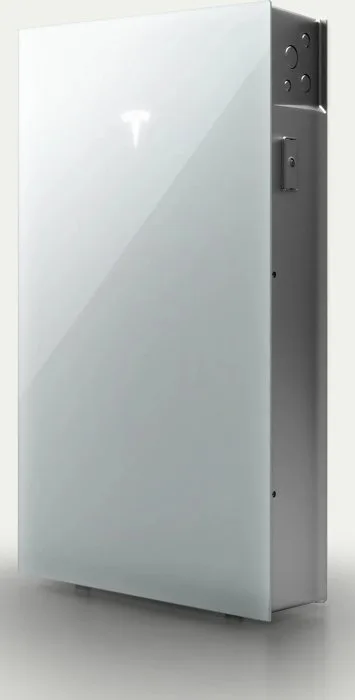
Tesla Powerwall is a home battery that stores energy, from your panels during the day or from the grid, and supplies it when you need it. Installed with Tesla's backup controls, it detects an outage, separates your home from the grid and keeps powering the circuits it is configured to protect, automatically.
Because your home is now isolated from the utility lines, your solar panels can safely keep producing and recharge the battery while the sun is up. That is the combination that turns solar into backup: the panels generate, Powerwall stores, and the system manages both. On normal days, the battery also lets you use your own solar energy after sunset.
Powerwall 3 includes a built-in solar inverter, which can simplify a new solar and battery installation. VOLT Home is a Tesla Powerwall Certified Installer; see our home battery page for specifications.
How many batteries does my home need?
It depends on what you want to keep running and for how long. Three questions shape the design: which appliances matter to you during an outage (refrigerator, lights, Wi-Fi, fans, medical equipment, a well pump or central air conditioning); how much energy your home uses on a typical day, which your utility bill shows in kilowatt-hours; and how long you want to be covered.
There are two common approaches. Essential-loads backup protects a selected group of circuits, which needs less storage. Whole-home backup covers your main panel, which usually means more battery capacity, especially if you want to run central air conditioning, one of the largest loads in a Florida home.
A good design starts with your electrical panel, your usage history and your roof, so you know before installation exactly what stays on. You can start by designing your system online with your own address.
Can I add a battery to the solar panels I already have?
In most cases, yes. Many Florida homes with existing solar can add a battery without replacing their panels. Before recommending it, an installer checks your current inverter and panels, your electrical panel, where the battery can be mounted, and your utility's requirements.
Adding storage usually needs a building permit and an update to your interconnection with the utility. VOLT coordinates those steps as part of the project, and your written proposal confirms the equipment, the backed-up circuits and the schedule.
What is the right solar and battery setup for my home?
There is no single answer. Roof orientation and shade, the size of your home, your daily consumption and the appliances you want protected all shape the system. Researchers at the National Laboratory of the Rockies (formerly NREL) study how storage paired with solar can keep critical loads running when the grid fails; the same idea applies at home on a smaller scale.
Solar generates energy. Powerwall stores it. Together, they can make your home better prepared. If you live in South or Central Florida, our pages on solar in Miami and solar in Orlando cover local utilities and permits, and our solar page explains the full process.
The takeaway
Solar generates energy. Powerwall stores it. Together, they can make your home better prepared.
At VOLT Home we help Florida homeowners explore integrated energy solutions with solar panels and Tesla Powerwall.
Frequently asked questions
Will my solar panels keep my lights on during a hurricane outage without a battery?
Usually not. Most grid-tied solar systems shut down automatically when the grid fails, for the safety of utility crews. To keep power during an outage, the system needs a battery with backup controls, such as Tesla Powerwall.
Does Powerwall switch on by itself when the power goes out?
Yes. When it is installed with Tesla's backup controls, Powerwall detects the outage, separates your home from the grid and keeps powering the circuits it is configured to protect, without you having to do anything.
Can a home battery run my central air conditioning?
It can, if the system is designed for it. Central air conditioning is one of the largest loads in a Florida home, so it usually needs more battery capacity and the right configuration. Your design should confirm in advance whether the AC is on backup.
Can Powerwall recharge during a long outage?
With solar, yes. While your home is isolated from the grid, your panels can keep recharging the battery during daylight. Without solar, a battery can only use the energy it stored before the outage.
Is a battery better than a generator?
They are different. A battery is silent, needs no fuel, switches on automatically and can recharge from solar. A fuel generator can run as long as it has fuel, but it must stay outdoors and away from windows because of carbon monoxide.
Do I need my utility's approval to add solar or a battery in Florida?
Grid-connected systems in Florida need an interconnection agreement with the utility, and most installations need a building permit. VOLT coordinates the permit and utility steps as part of your project.
Sources
- Tesla, Powerwall (official product page)
- Florida Power & Light, Net Metering
- Florida Power & Light, Net Metering Guidelines and interconnection
- Ready.gov (FEMA), Power Outages
- National Laboratory of the Rockies (formerly NREL), Energy Storage Research
- National Laboratory of the Rockies (formerly NREL), Solar Research